Tribepad
ATS for Hiring Managers
I designed and shipped a streamlined ATS experience for hiring managers, making it faster to review and progress candidates.
Published: 15 February 2024
About Tribepad
Tribepad is a plug-and-play applicant tracking system that delivers all the core recruitment features teams need—without the overhead of enterprise extras.
My Role
Product Designer
Timeline
6 months (Jan - Jun 2020)
Tools Used
Figma, HTML, CSS, Whimsical, Miro
Project Type
Web Application
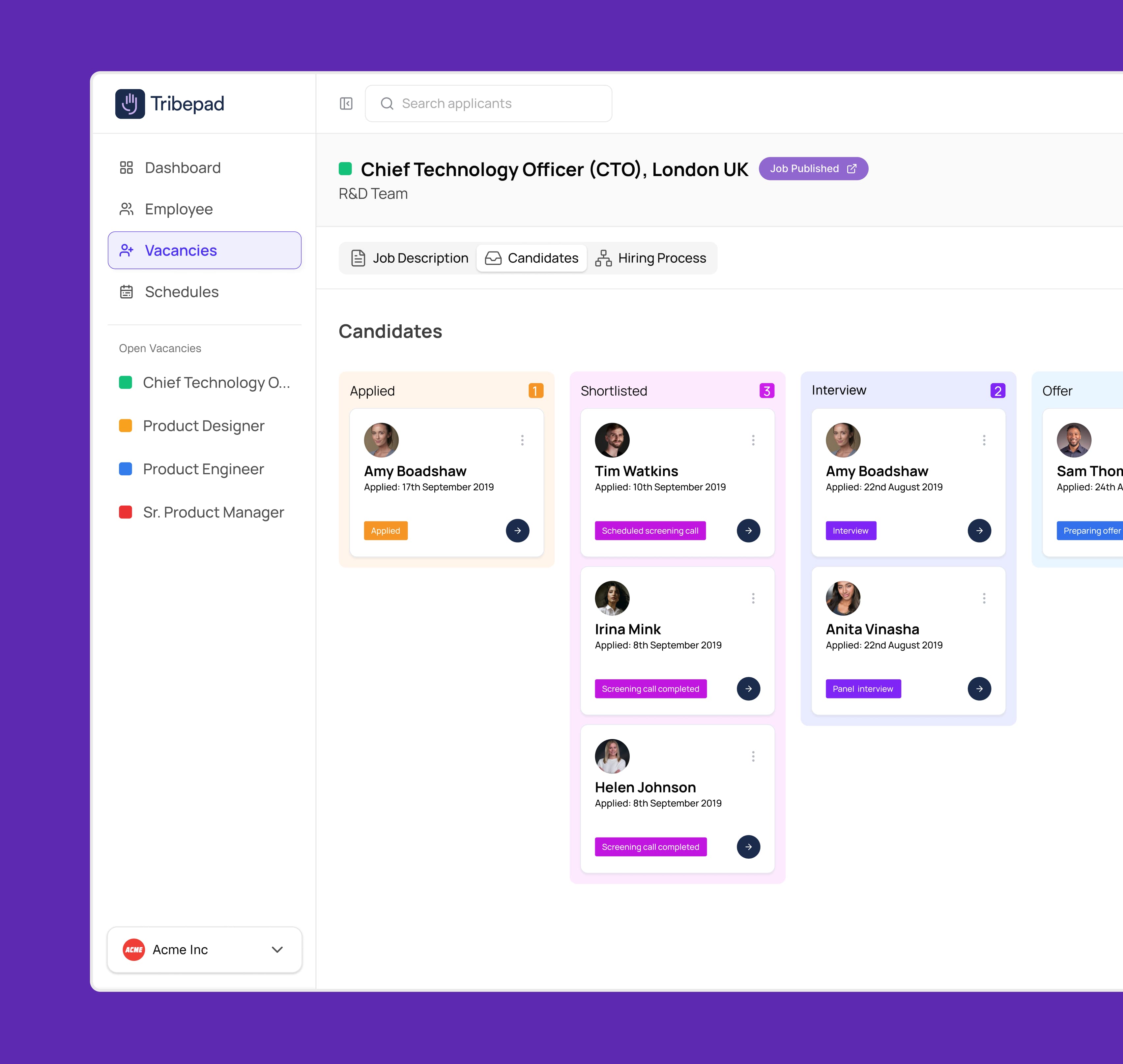
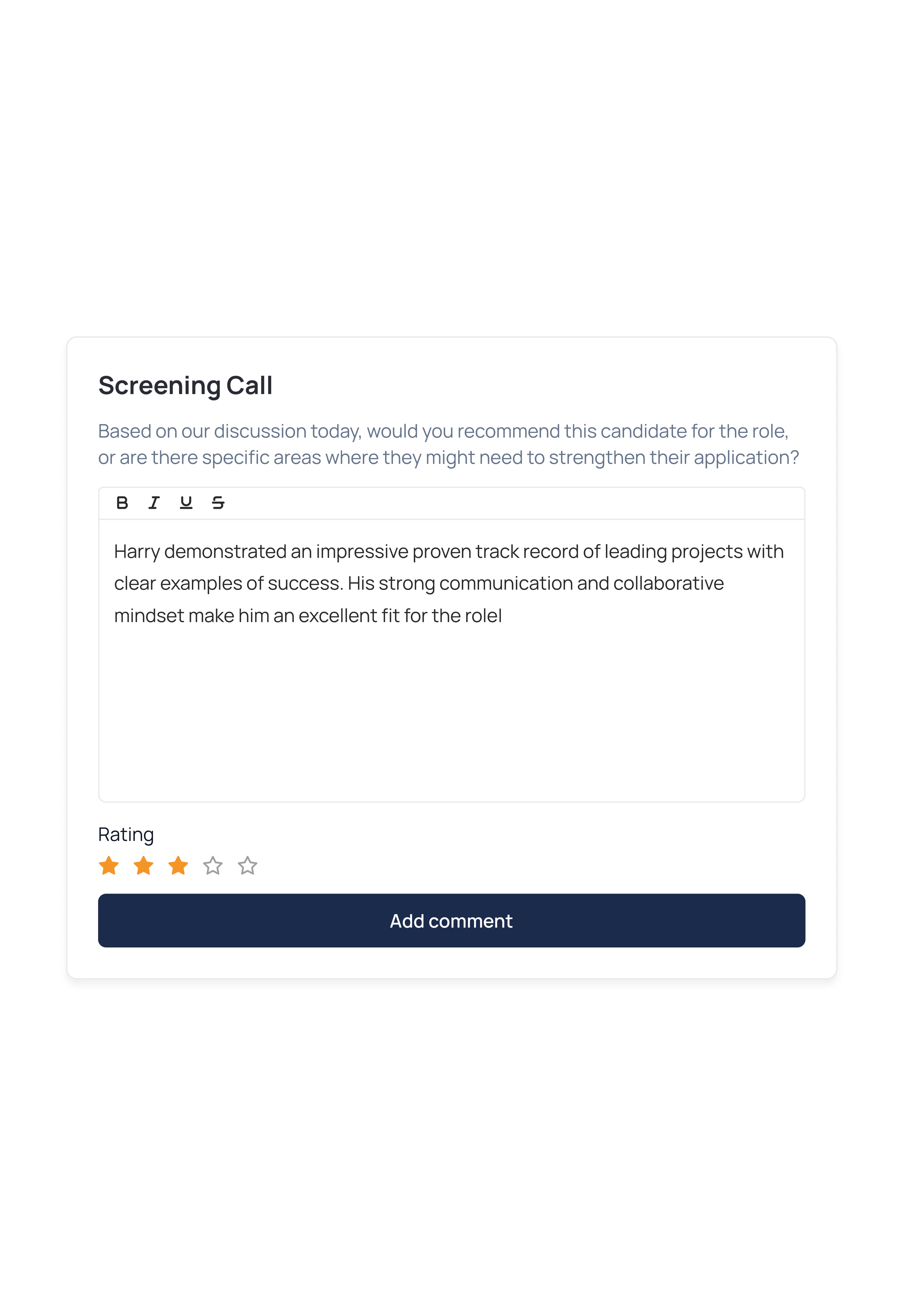
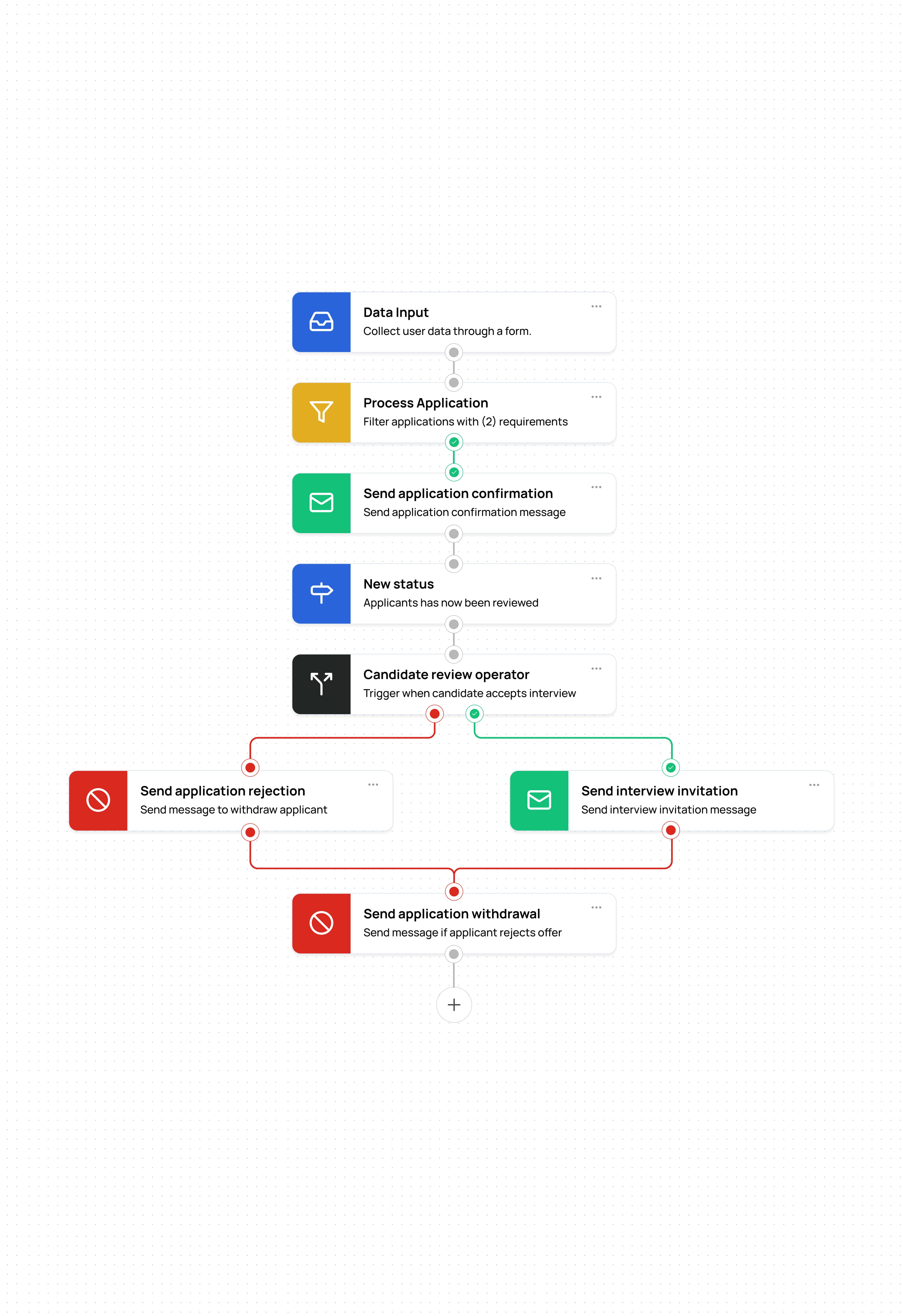
In early 2020, I served as the Lead Designer at Tribepad, a UK-based HR software company, working within the New Innovations team. My primary responsibility was to design and develop a new user experience for hiring managers, aimed at streamlining and optimising the candidate progression process.
For hiring managers using Tribepad's classic ATS system, it was anything but. While HR and recruitment teams navigated the full platform with ease, hiring managers—who lead hiring decisions and manage applicant workflows—only needed a handful of critical functions. Yet they faced the same cluttered interface built for power users, turning simple tasks into time-consuming obstacles.
The challenge was clear: how might we streamline the hiring manager experience without overhauling the entire ATS? Stakeholders tasked me with creating focused design patterns that cut through complexity, helping this crucial persona complete their most important tasks quickly and confidently. My mission was to transform their experience from frustrating to effortless.