Introduction
In early 2015, Aalfy, a local social enterprise, launched Make Laser Gifts—a digital service designed to help crafty hobbyists create and order custom laser-cut products. The platform was built as a minimum viable product (MVP) using Shopify and several third-party integrations, allowing the team to validate demand and launch quickly. By most measures, the launch was successful.

The offering served hundreds of community members and demonstrated clear product–market fit. However, despite strong interest, the business was losing revenue. The underlying issue wasn’t demand—it was the product experience. As a close collaborator and friend of one of the founders, I was brought in to help redesign the experience and address the usability issues that were preventing customers from reaching checkout.
The Problem
Customer feedback and behavioural signals revealed consistent issues:
- The design tool felt slow, inconsistent, and unreliable
- Customisation frequently broke, causing users to abandon sessions
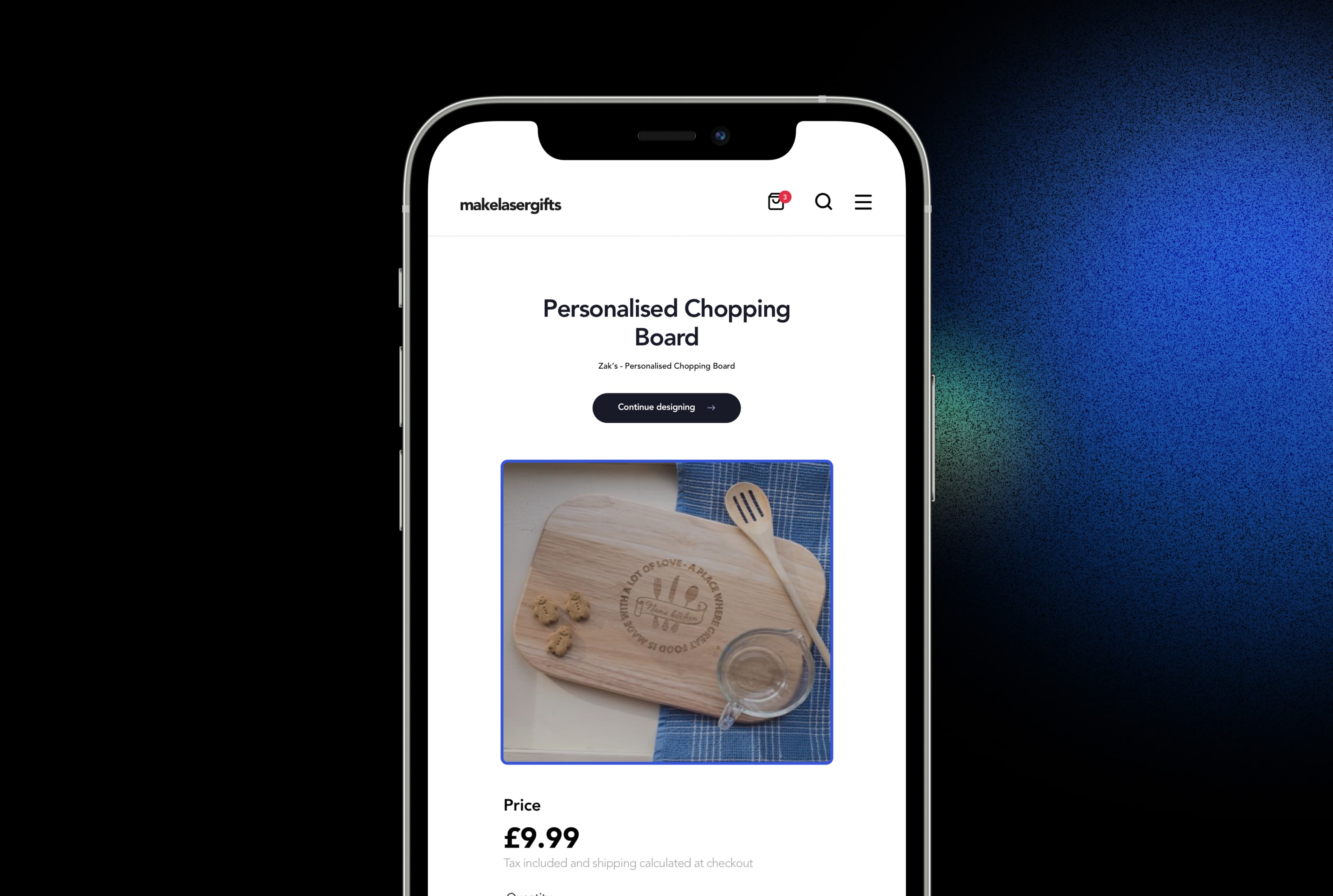
- Mobile users struggled to design products at all
- Users lost confidence and dropped off before checkout

While the MVP validated the idea, the technology stack and experience were no longer fit for growth. The team needed to move beyond “working” software and towards a trustworthy, scalable product experience.
Discovery & Sprint Setup
Rather than running a traditional five-day design sprint, we adapted the process into an unconventional two-day sprint. The goal was to maintain momentum while ensuring we produced tangible outputs.


We began by aligning on a long-term goal—a clear statement that the entire team could rally behind. This helped create a shared understanding of what success looked like beyond short-term fixes. Alongside this, we defined a set of sprint questions that surfaced the biggest risks and uncertainties we needed to resolve. At the end of each exercise, the team voted on ideas to ensure progress and avoid indecision. While there were differences of opinion—particularly between founders and team members—this tension helped force prioritisation rather than compromise.
Reframing Problems into Opportunities
Instead of bringing in external experts, we relied on existing customer feedback and usability findings. This led us into one of the most impactful exercises of the sprint: How Might We.
For example:
Customer feedback: "I could not design anything on my mobile.”
Reframed opportunity: How might we make the design tool work reliably on smaller screens and mobile devices?
This exercise helped the team shift from defending the current solution to exploring new possibilities and opportunities for improvement.££
Challenges and Learnings
The primary challenge was ensuring the website functioned seamlessly for its diverse users—shoppers looking for quick purchases, crafters needing customisation tools and community members booking workshops.


To achieve this, I optimised the user experience to deliver the shortest path to value. A key focus was enhancing the e-commerce checkout process while accommodating seasonal demand. Customization was particularly important for crafters, requiring an intuitive yet powerful design tool. Additionally, the Aalfy workshop system needed seamless integration, allowing users to easily browse, book and manage sessions alongside product purchases.
Key Features
- Seamless user experience: Designed an intuitive Shopify storefront that simplifies navigation, making it easy for customers to browse, customise and purchase products.
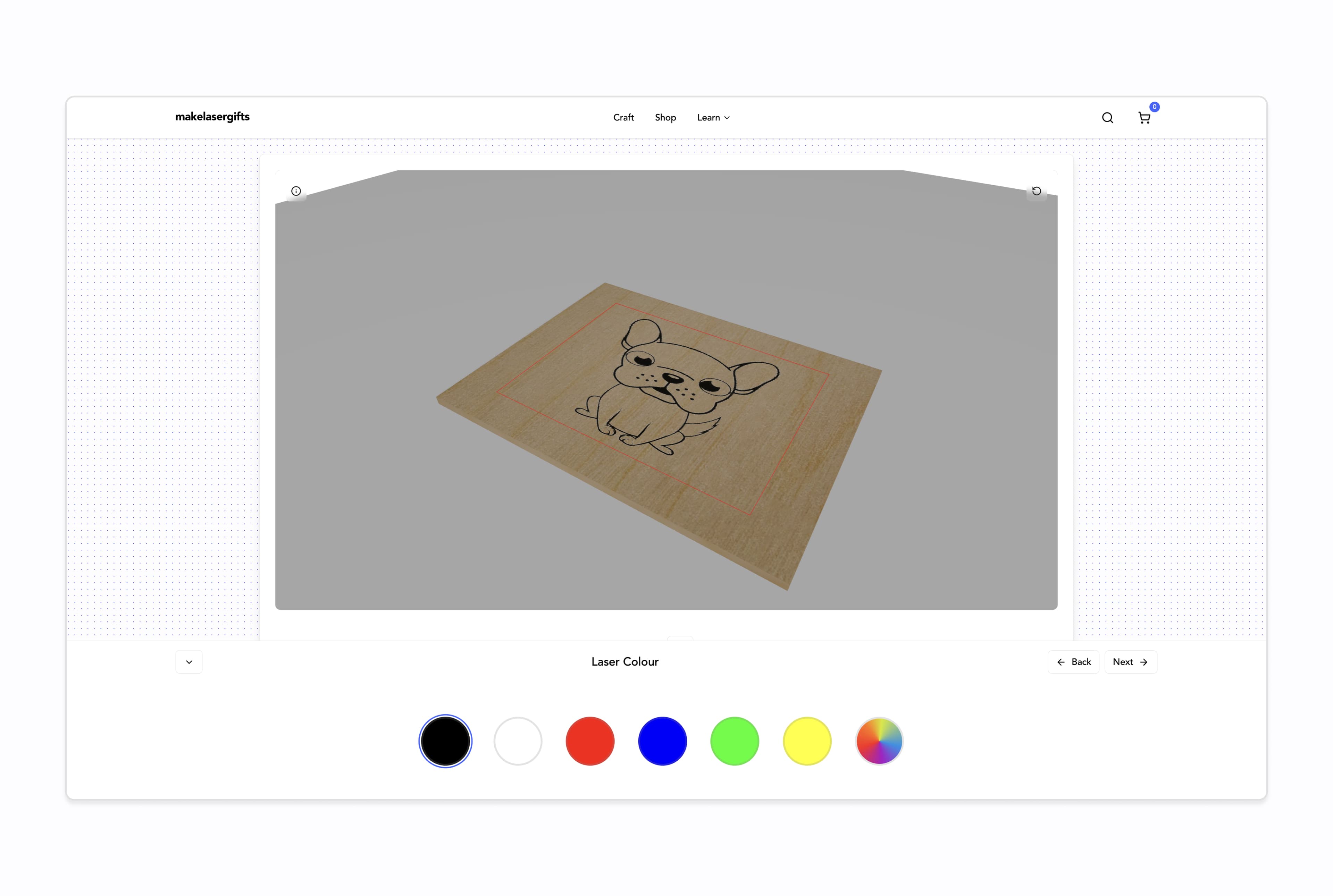
- Easy-to-Use customisation designer: Developed a user-friendly interface that lets customers personalise laser-cut products with ease.
- Integrated workshop booking: Added a built-in booking system, allowing users to schedule workshops directly through the platform.
- Consistent brand and product design: Created a cohesive visual and UX design that reflects Aalfy's social enterprise values and community-driven mission.


Technologies Used
- Figma – Designed and managed UI/UX assets, wireframes and interactive prototypes.
- Angle 3D Configurator – Enabled seamless 3D product customisation for a more interactive shopping experience.
- Shopify Easy Appointment Booking App – Integrated a user-friendly booking system for scheduling workshops.
- Miro – Used for planning, brainstorming and facilitating workshops.
Lessons Learned
This project reinforced several key lessons:
- Early traction can hide significant experience and usability debt
- Short, focused sprints often create clarity faster than longer processes
- Reframing problems enables stronger collaboration and more creative solutions
- Trust and reliability are essential in creator-led digital products
Moving Make Laser Gifts beyond its MVP wasn’t about adding features—it was about removing friction, rebuilding user confidence, and laying the groundwork for sustainable growth.